Exercise Database
Cable Trap Exercises
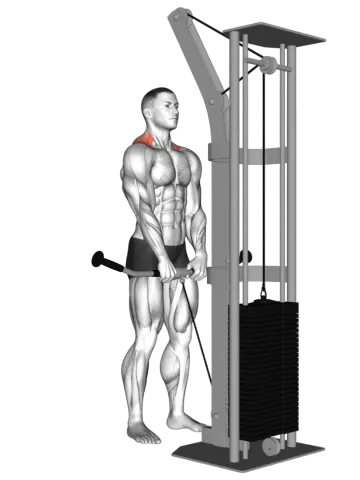
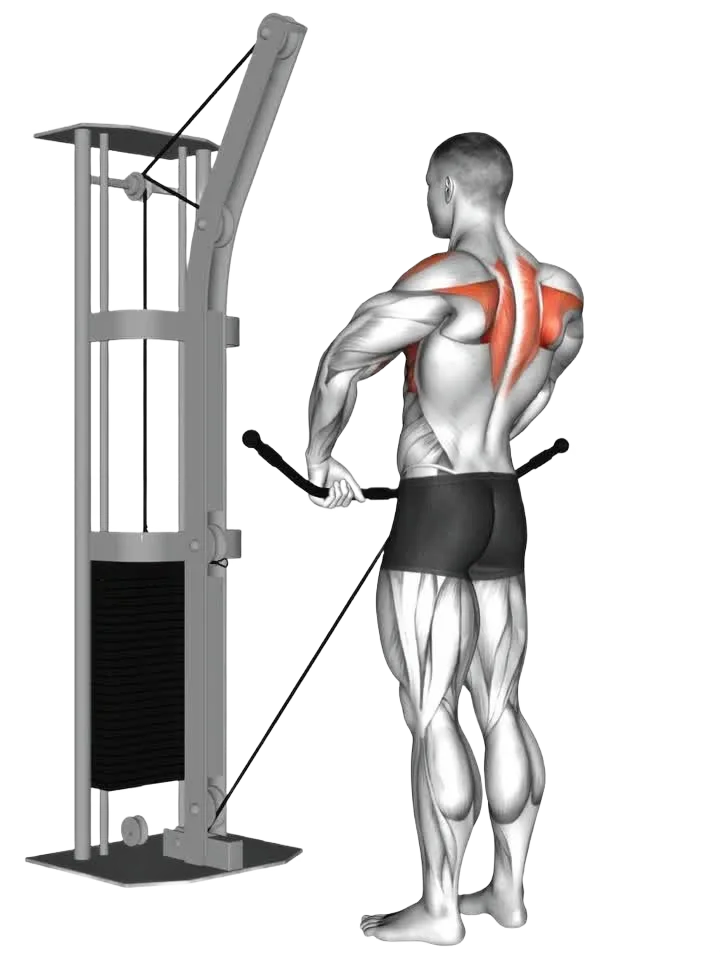
Cable trap training offers shrug and upright-row patterns with an adjustable line of pull. Your distance from the pulley changes the setup.
Overview
What to know before you pick a cable trap exercise
This collection links to 2 exercise guides, including cable shrug and cable upright row. Open each guide for its setup, instructions, and muscles worked. Matches may involve the muscle as a primary target or as part of a larger movement.
Selection Guide
How to choose the right option from this collection
Check the muscle's role
2 of the 2 matching guides list traps as a primary muscle. Start by comparing cable shrug and cable upright row, then explore the other guides for additional movement options.
Choose a suitable setup
Use a shrug for direct shoulder elevation and an upright row when the larger arm movement is intentional. Keep the stance fixed and control the return so the cable does not pull you toward the station.
Programming Notes
How to program cable trap work without guesswork
Plan this movement in your session
Keep cable shrugs and upright rows as separate entries in the trap session. Record your distance from the pulley and attachment, and compare the same shoulder movement without adding a backward rock.
Track a repeatable movement
Keep the same cable setup, range of motion, and pace when comparing sessions. Change one training variable at a time so a change in setup is not mistaken for progress.
Mistakes
Common cable trap training mistakes
- •Rocking backward to finish a cable shrug instead of controlling the shoulder movement.
FAQ
Questions people ask about cable trap exercises
Which cable trap exercise guides can I browse?
There are 2 matching guides in this collection. Examples include cable shrug and cable upright row. The count includes movements where traps is a primary or supporting muscle.
How should I choose cable trap exercises?
Use a shrug for direct shoulder elevation and an upright row when the larger arm movement is intentional. Keep the stance fixed and control the return so the cable does not pull you toward the station.
What should I avoid with cable trap training?
Rocking backward to finish a cable shrug instead of controlling the shoulder movement.
More equipment options
Traps exercise guides with other equipment
These guides train the same muscle group with different equipment. Check each guide's setup and muscles worked to choose an alternative that fits your session.