Exercise Database
Dumbbell Trap Exercises
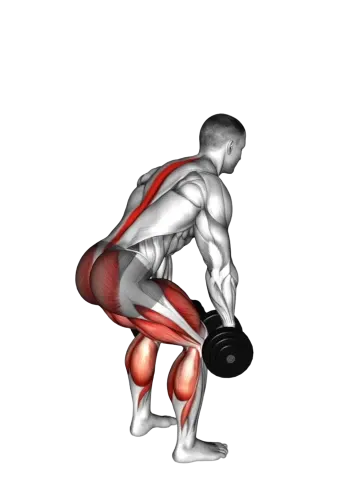
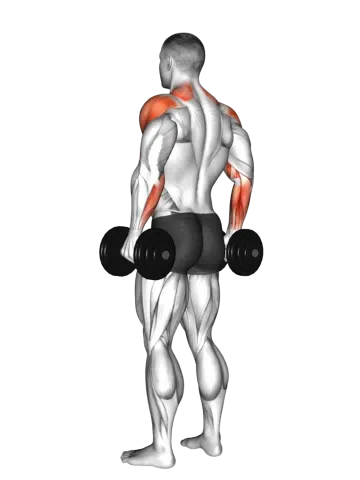
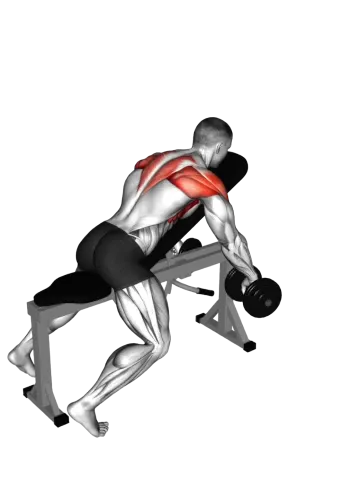
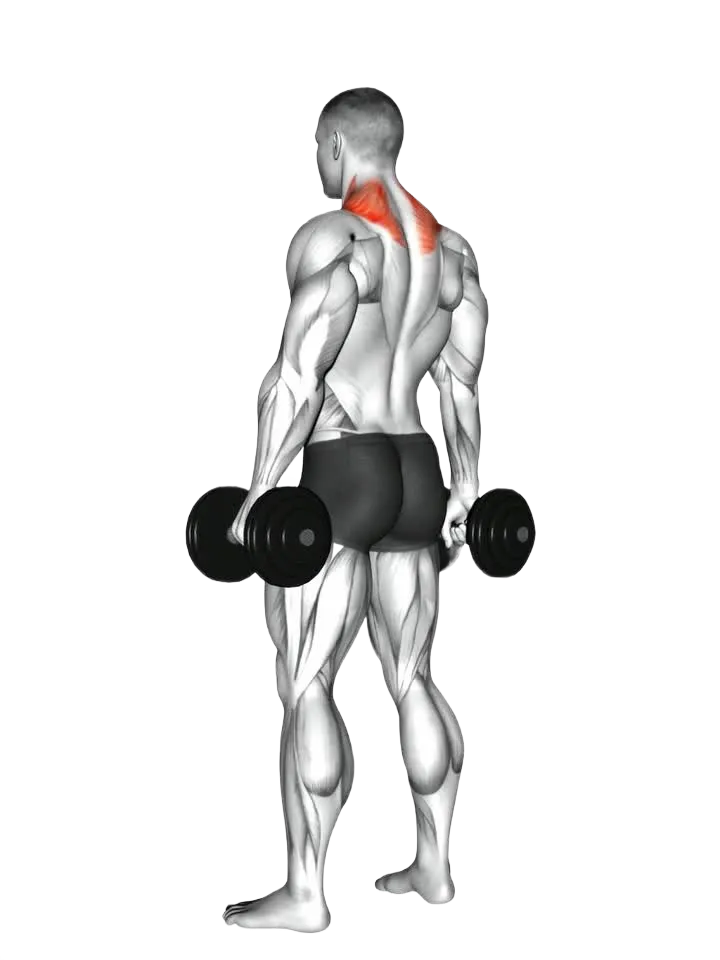
Dumbbell trap exercises include shrugs and upper-back raises. Independent weights let you compare shoulder-blade control without a bar fixing the distance between your hands.
Overview
What to know before you pick a dumbbell trap exercise
This collection links to 4 exercise guides, including chest supported dumbbell y-raises and dumbbell shrug. Open each guide for its setup, instructions, and muscles worked. Matches may involve the muscle as a primary target or as part of a larger movement.
Selection Guide
How to choose the right option from this collection
Check the muscle's role
2 of the 4 matching guides list traps as a primary muscle. Start by comparing chest supported dumbbell y-raises and dumbbell shrug, then explore the other guides for additional movement options.
Choose a suitable setup
Choose a shrug for shoulder elevation or a supported raise for a different upper-back task. Use the guide's intended arm path and keep the neck position steady rather than chasing the heaviest dumbbells available.
Programming Notes
How to program dumbbell trap work without guesswork
Plan this movement in your session
Choose a dumbbell shrug or a supported upper-back raise according to the trap movement you want to train. Record the support and arm path, and maintain a steady neck position while comparing repetitions.
Track a repeatable movement
Keep the same dumbbell setup, range of motion, and pace when comparing sessions. Change one training variable at a time so a change in setup is not mistaken for progress.
Mistakes
Common dumbbell trap training mistakes
- •Using the knees to bounce the dumbbells up during every shrug.
FAQ
Questions people ask about dumbbell trap exercises
Which dumbbell trap exercise guides can I browse?
There are 4 matching guides in this collection. Examples include chest supported dumbbell y-raises and dumbbell shrug. The count includes movements where traps is a primary or supporting muscle.
How should I choose dumbbell trap exercises?
Choose a shrug for shoulder elevation or a supported raise for a different upper-back task. Use the guide's intended arm path and keep the neck position steady rather than chasing the heaviest dumbbells available.
What should I avoid with dumbbell trap training?
Using the knees to bounce the dumbbells up during every shrug.